
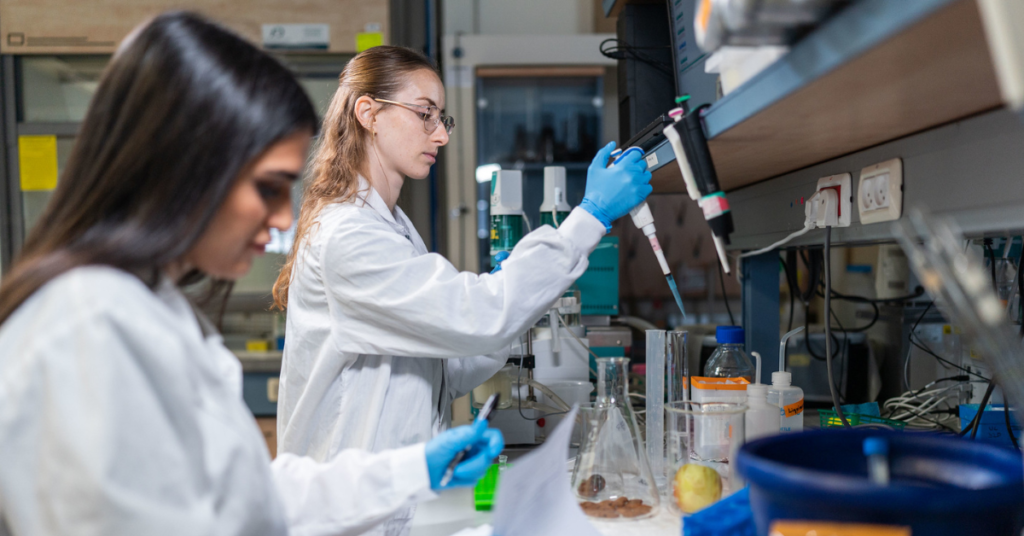
Why Gender Matters in Food Engineering
A Technion-led study shows significant gender differences in the digestion of dairy and plant-based milks, underscoring the need for personalised food engineering.
Breakthroughs, discoveries, and new technologies from the Technion.
A Technion-led study shows significant gender differences in the digestion of dairy and plant-based milks, underscoring the need for personalised food engineering.
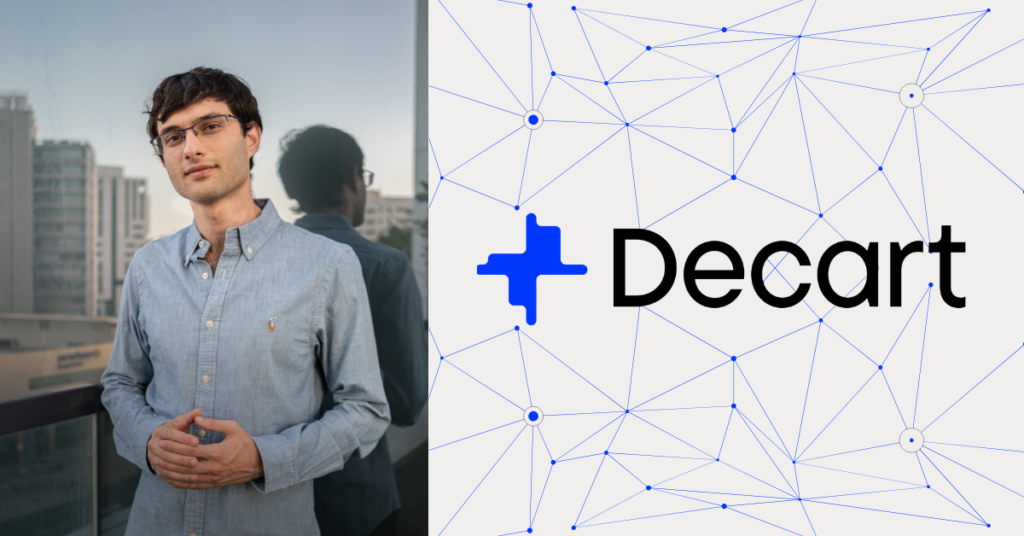
Technion and AI startup Decart have launched a joint research center to bolster Israel’s AI capabilities, focusing on cutting-edge research and talent development.
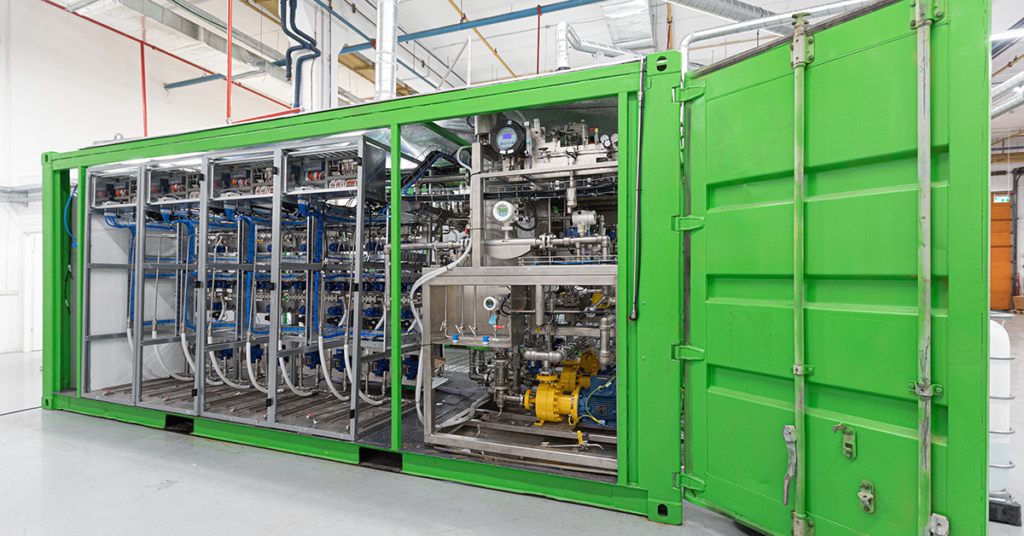
Technion scientists introduce a breakthrough in decoupled water electrolysis, paving the way for efficient, industrial-scale green hydrogen production.
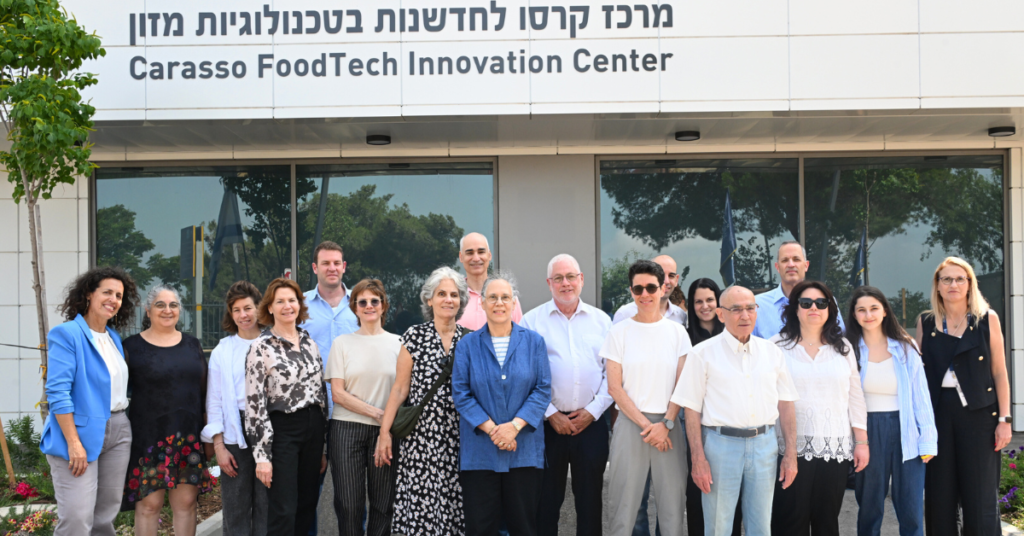
Technion launches the Carasso FoodTech Innovation Center and the Hecht Sustainable Protein Research Center to drive global food innovation and sustainability.

Technion researchers, led by Prof. Yoav Livney, are developing sustainable protein solutions, including lab-grown meat and dairy alternatives, to transform global food systems.
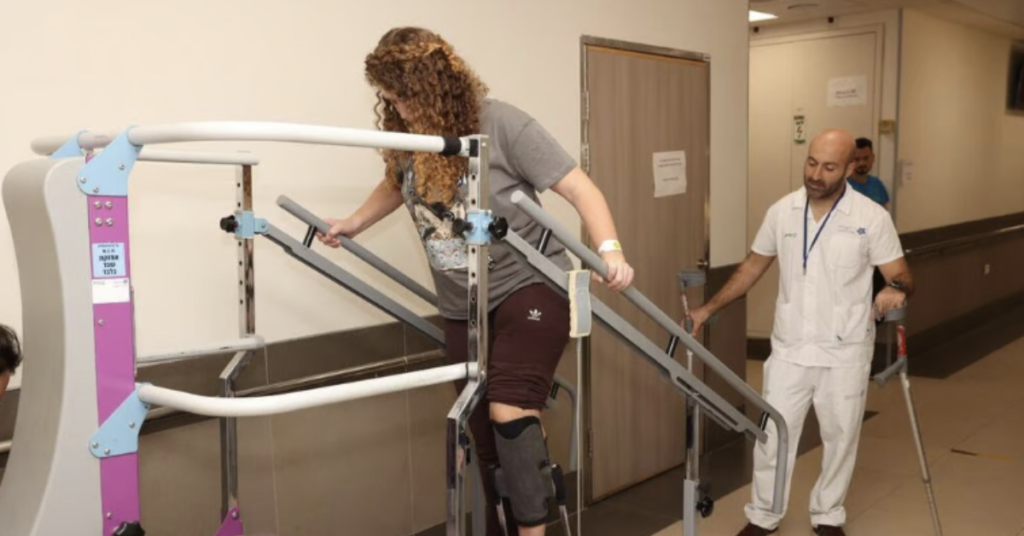
Neta, a survivor of the Kfar Gaza massacre, is walking again thanks to a Technion-developed exoskeleton—turning tragedy into triumph through science.
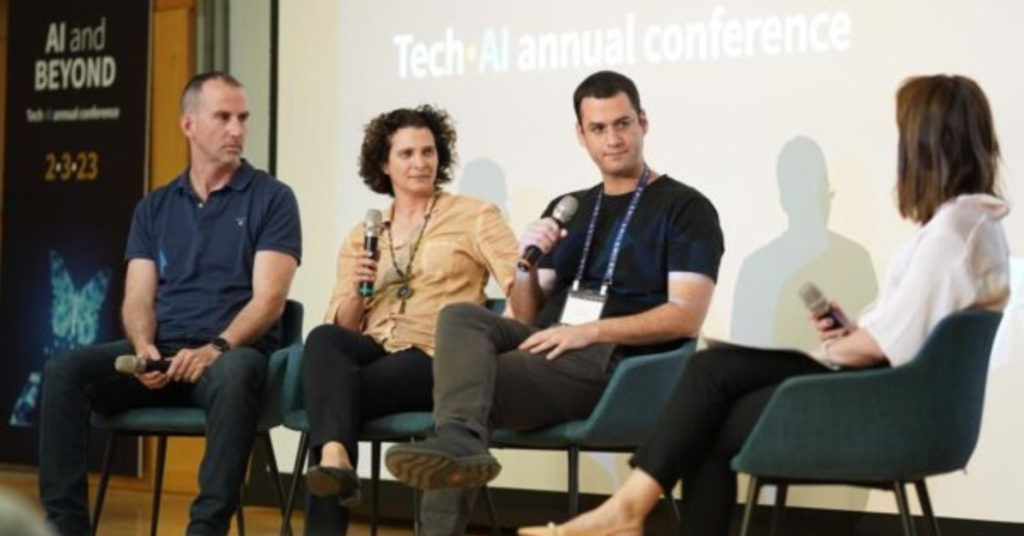
At Technion’s Tech.AI conference, 500 participants explored the future of AI—its breakthroughs, challenges, and ethical implications.
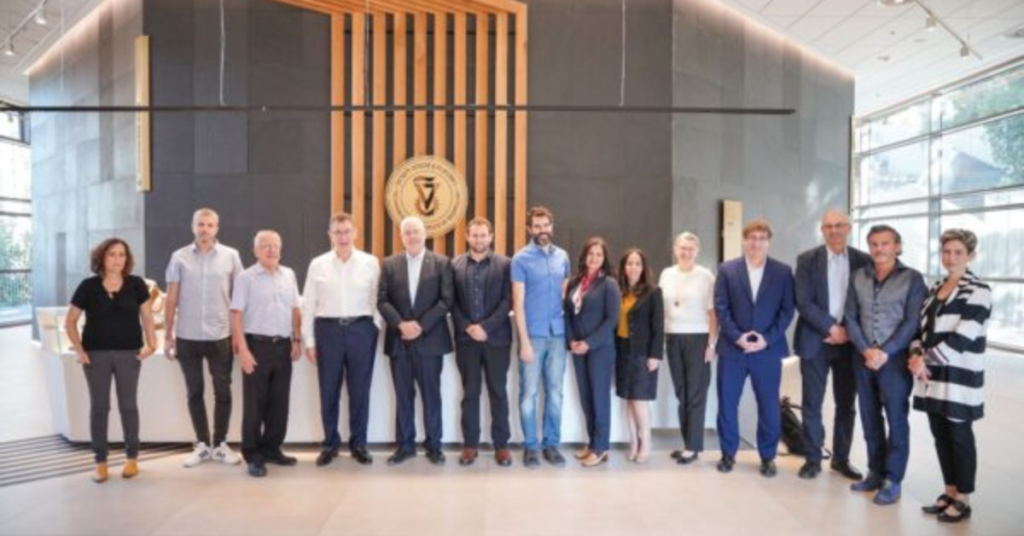
Technion and Pfizer have signed a collaboration framework to drive scientific breakthroughs by integrating artificial intelligence into drug development.
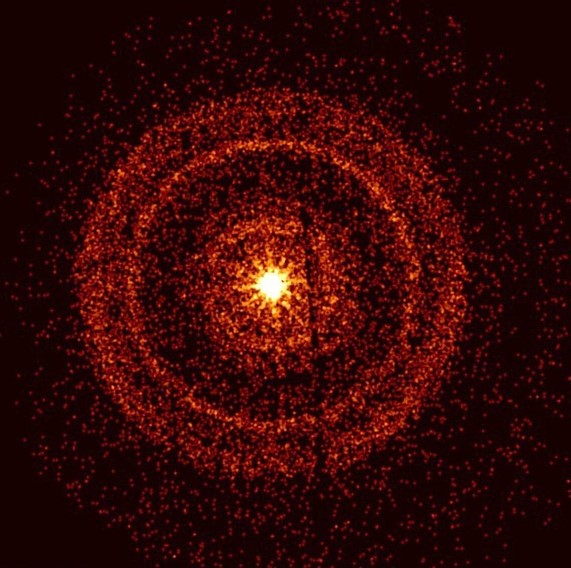
On 9 October, astronomers observed GRB 221009A—the most energetic gamma-ray burst ever recorded. Remarkably, Technion physicists Professors Arnon Dar and Shlomo Dado had just published a paper predicting such an event’s energy and characteristics. Their “cannonball model” links gamma-ray bursts and cosmic rays, offering new insights into these rare cosmic phenomena.
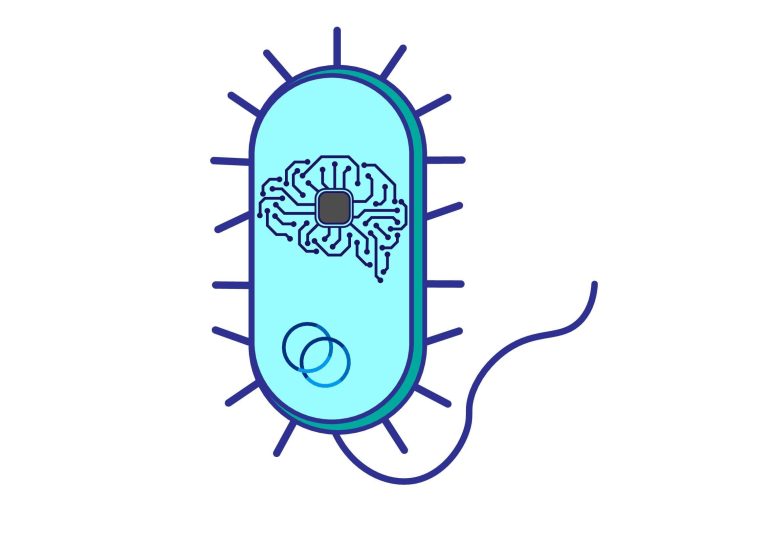
Technion and MIT scientists have engineered bacterial cells to function as living computers by integrating synthetic gene circuits that mimic neural networks. These programmable cells can perform logic operations and respond to environmental stimuli, offering promising applications in biomanufacturing and targeted therapies.
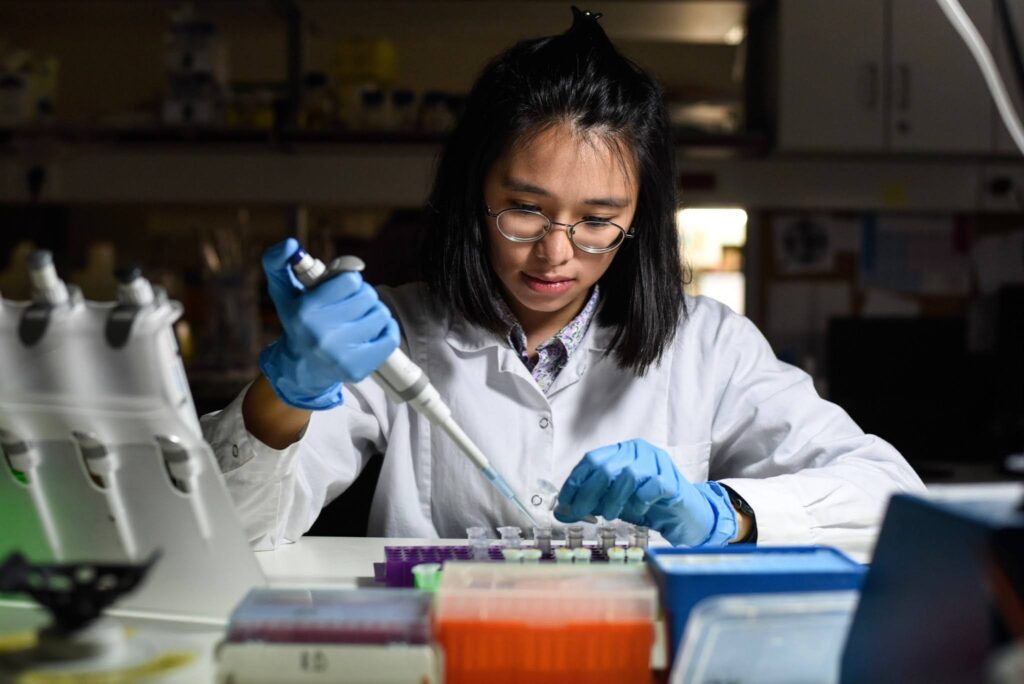
Technion engineers lab-grown muscle tissue that absorbs excess sugar, reducing blood glucose in diabetic mice and opening doors to new diabetes treatments.
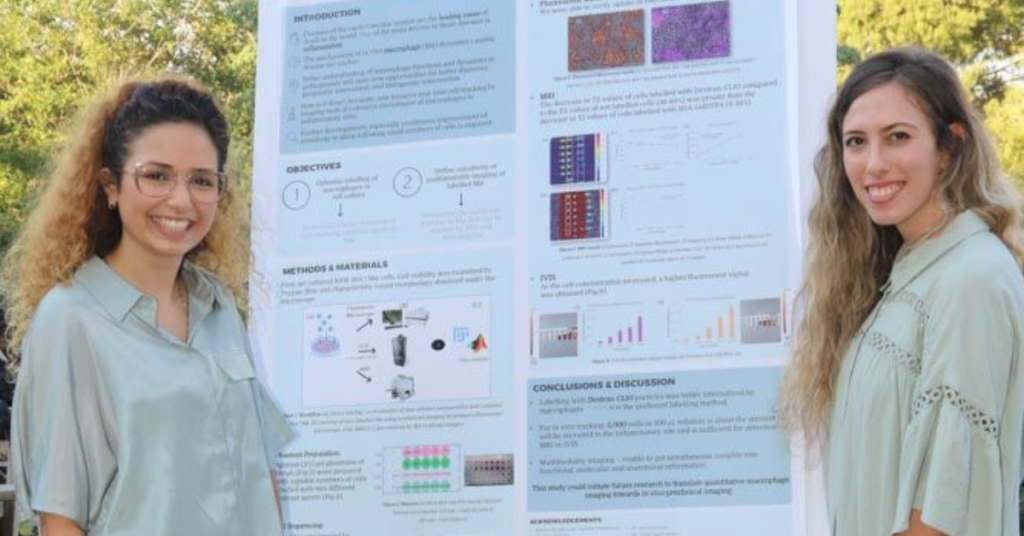
Technion students showcase biomedical projects—from AI-driven fetal monitors to wearable fertility trackers—highlighting innovation in healthcare.