
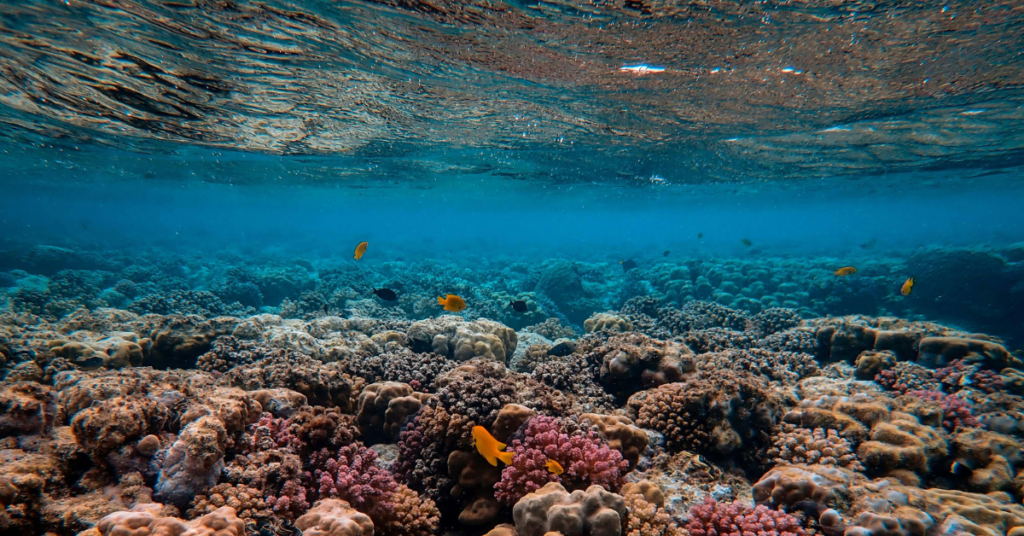
Israeli Research Offers Hope for Restoring Dying Coral Reefs
Technion researchers, in collaboration with Australian scientists, have developed a novel method to restore dying coral reefs, offering new hope for marine biodiversity.

Technion researchers, in collaboration with Australian scientists, have developed a novel method to restore dying coral reefs, offering new hope for marine biodiversity.

Technion researchers have developed materials that greatly boost MRI sensitivity, enabling earlier disease detection and reducing reliance on radiation-heavy scans like PET-CT.

Technion researchers, led by Prof. Yoav Livney, are developing sustainable protein solutions, including lab-grown meat and dairy alternatives, to transform global food systems.
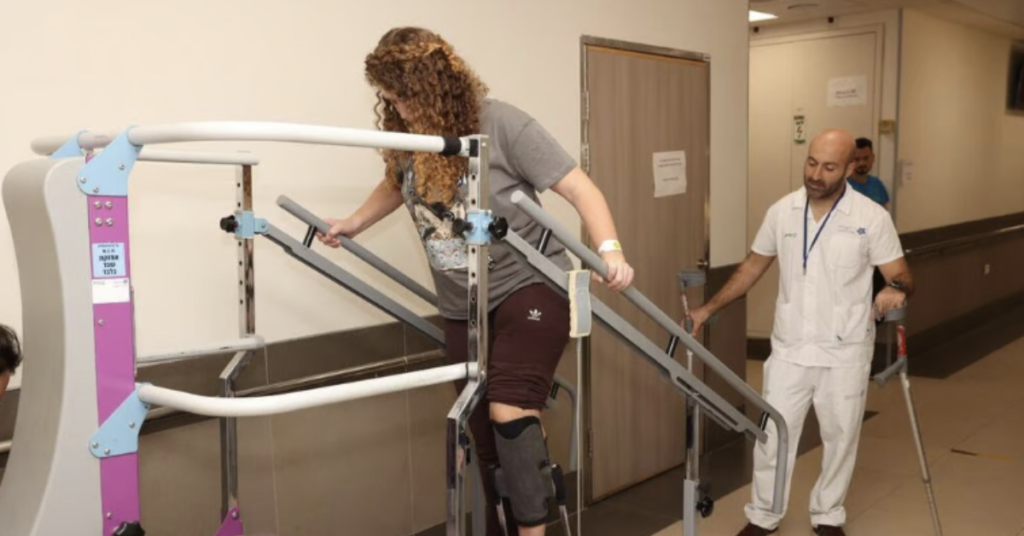
Neta, a survivor of the Kfar Gaza massacre, is walking again thanks to a Technion-developed exoskeleton—turning tragedy into triumph through science.

Technion has named the 2023 Harvey Prize recipients, honoring groundbreaking work in mRNA vaccines and theoretical physics.
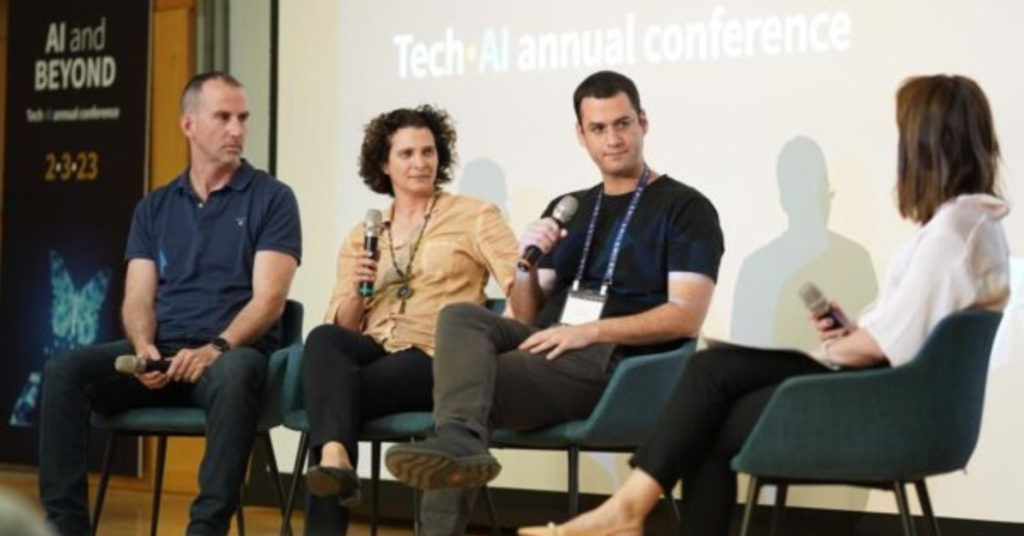
At Technion’s Tech.AI conference, 500 participants explored the future of AI—its breakthroughs, challenges, and ethical implications.

Dr. Rafi Aviram, a seasoned leader with a background in academia and the military, is named Technion’s Executive VP and Director General.
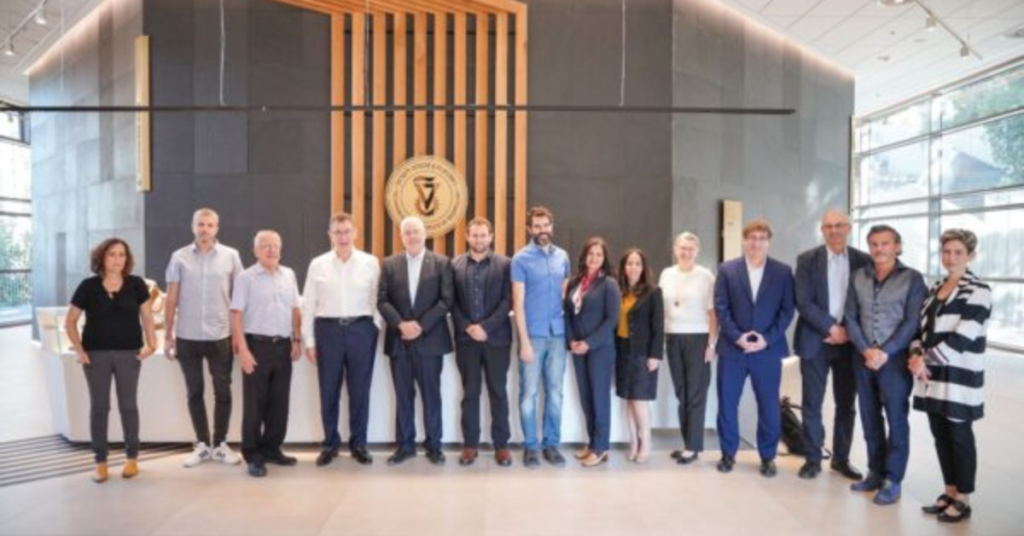
Technion and Pfizer have signed a collaboration framework to drive scientific breakthroughs by integrating artificial intelligence into drug development.

Technion’s Faculty of Industrial Engineering and Management has been renamed to the Faculty of Data and Decision Sciences, aligning with its updated research and curriculum.

A Technion research team has created an AI system that analyses digital biopsy scans to detect PD-L1 protein expression in breast cancer patients. This aids in tailoring immunotherapy treatments and addresses the global shortage of pathologists.

Israeli startup H2Pro, utilising technology from the Technion, has signed a strategic agreement with Moroccan renewable energy developer Gaia Energy to supply green hydrogen. This partnership aims to harness renewable resources for sustainable energy solutions.
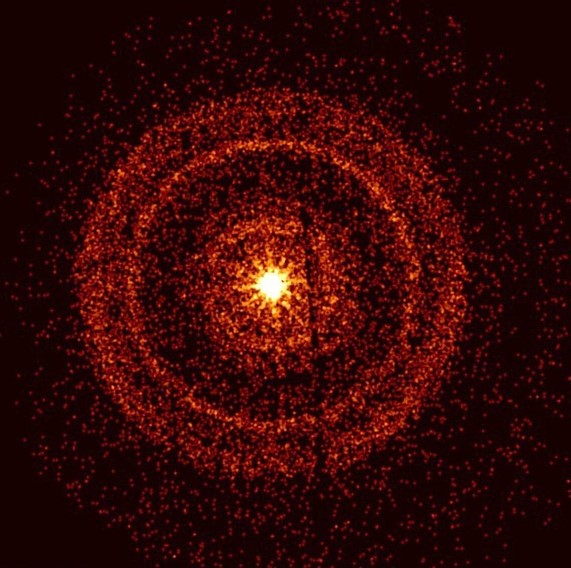
On 9 October, astronomers observed GRB 221009A—the most energetic gamma-ray burst ever recorded. Remarkably, Technion physicists Professors Arnon Dar and Shlomo Dado had just published a paper predicting such an event’s energy and characteristics. Their “cannonball model” links gamma-ray bursts and cosmic rays, offering new insights into these rare cosmic phenomena.