Is Darkness Faster than Light?
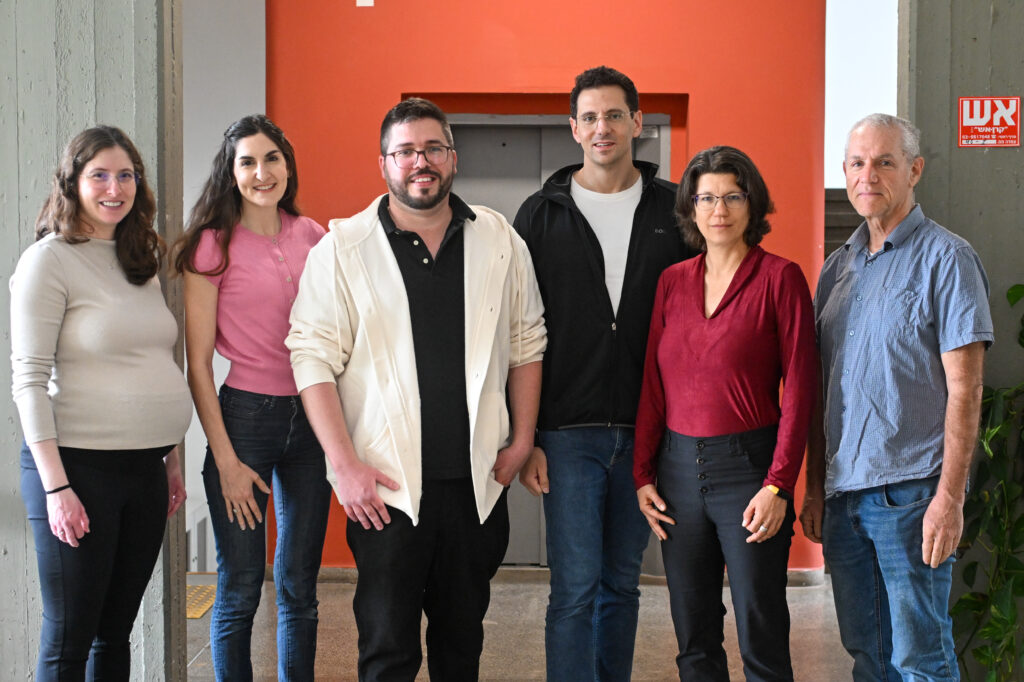
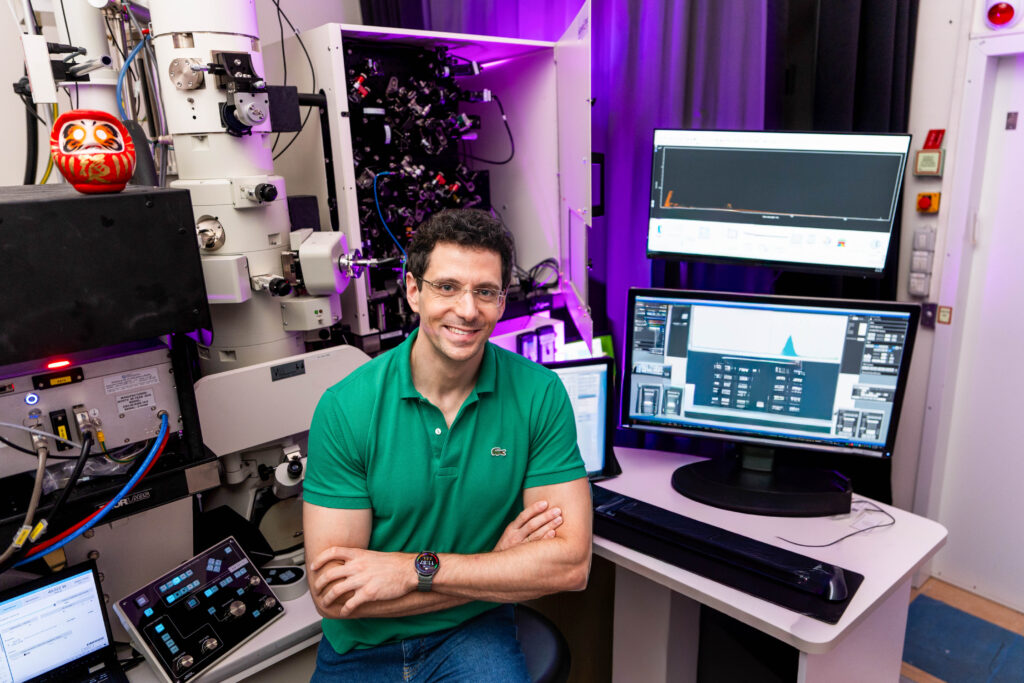
Technion researchers measure the speed of “Dark points” within light waves, confirming a 50-year-old prediction
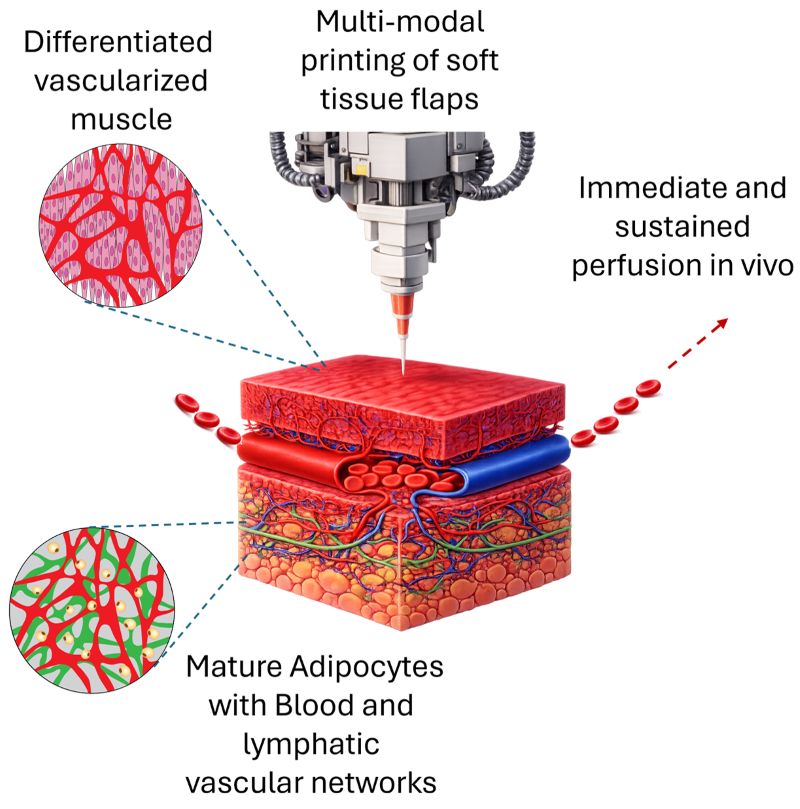
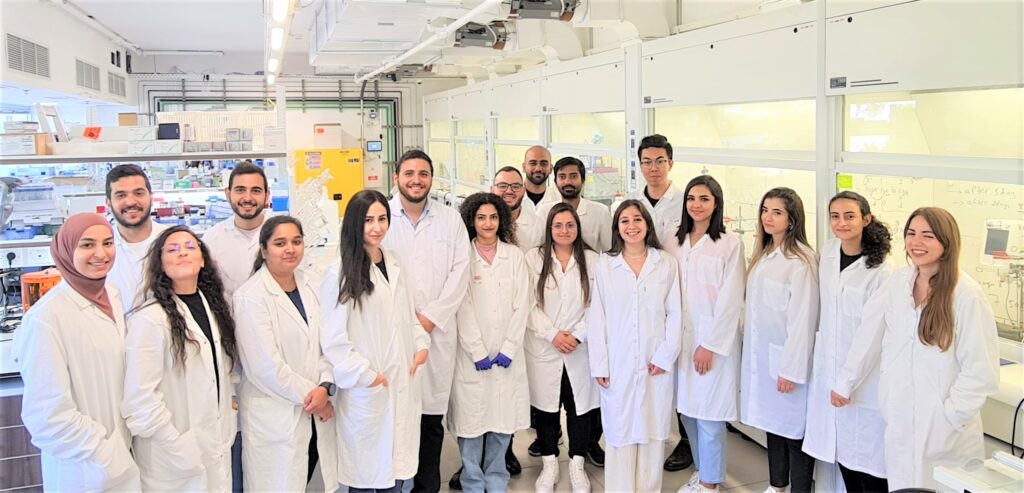
Hope for patients suffering from severe tissue damage: Technion researchers have developed an implantable tissue flap containing muscle and fat tissues alongside a hierarchical network of blood vessels and lymphatic vessels.
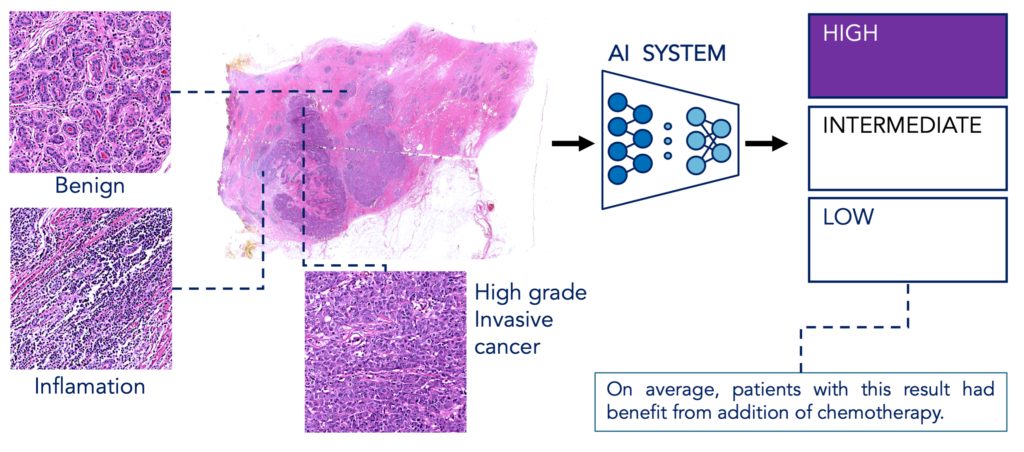
Deciding whether to administer chemotherapy after surgery is one of the most challenging questions in early‑stage breast cancer care. While chemotherapy can reduce the risk of recurrence, most patients do not benefit from it and may experience significant short‑ and long‑term side effects. The central challenge is identifying, at the time of diagnosis, which patients are likely to benefit, and which are not.
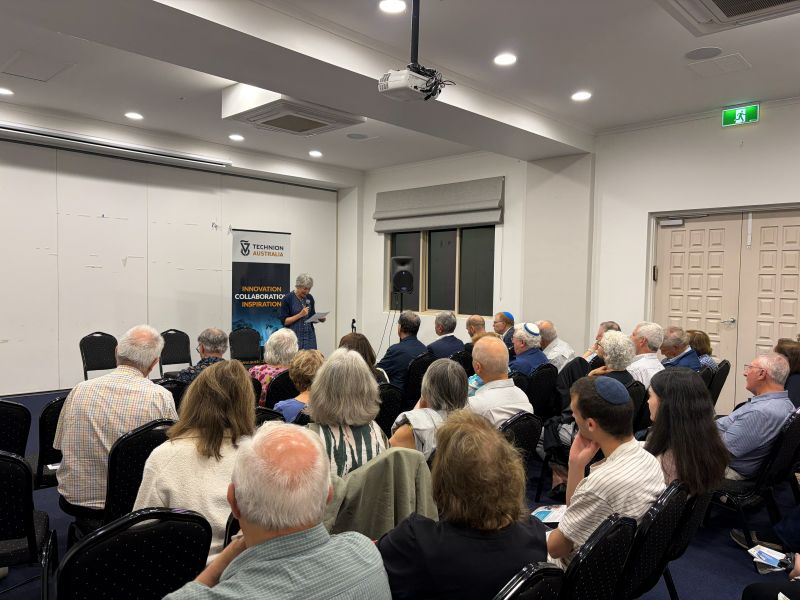
Technion Australia’s Einstein Supper in Melbourne explored the true environmental, material, and financial costs of Australia’s net-zero transition, featuring expert insights from Dr Rod Hill.
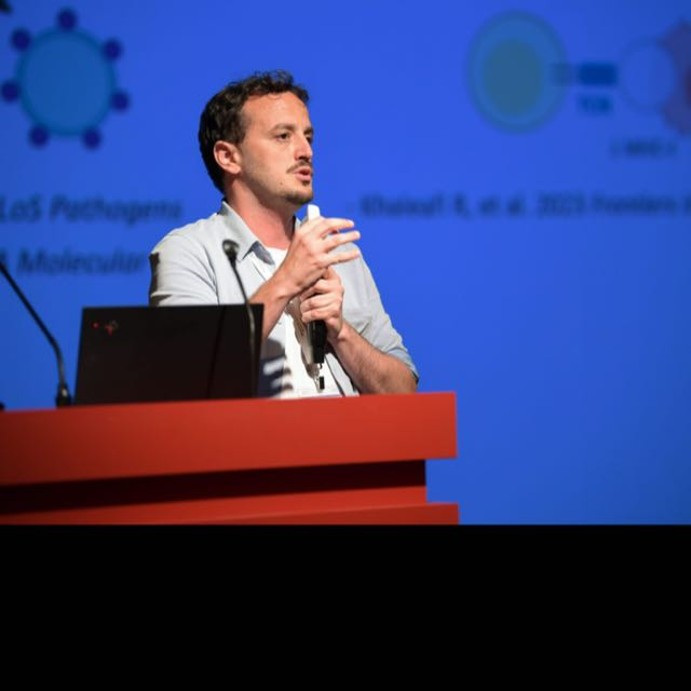
How has evolution shaped viral infection? How does humanity cope with viral diseases? Why do vaccines work well against one disease but not another? Why are drugs that work against bacteria ineffective against viruses? And how optimistic can we allow ourselves to be about the future? These questions were addressed recently by Dr. Yotam Bar-On of the Ruth and Bruce Rappaport Faculty of Medicine at a Technion event.
Groundbreaking research reveals a self-regulating, implantable living technology that could offer hope for millions with diabetes and other chronic diseases.
The special collaboration will help advance Israeli innovation, energy security, and civil aviation. After concluding the project feasibility study, Boeing and the Technion announced advancement to the next stage of practical development.
Technion has inaugurated a newly upgraded VLSI Laboratory for chip design with a $1 million investment from Apple, Intel and NVIDIA. The facility will support advanced research in integrated circuits, AI-focused hardware and energy-efficient systems while strengthening collaboration between academia and industry.
Technion scientists have developed a pioneering technology that uses harmless live bacteria to produce therapeutic drugs directly inside the body. Delivered via a painless microneedle patch, the bacteria act as tiny drug factories, improving bioavailability and potentially reducing treatment costs and repeated dosing.
Technion researchers have developed SafeWax, a bio-inspired spray coating that forms a thin, biodegradable, water-repellent layer on crops. This innovative technology can reduce the need for chemical pesticides by more than 50%, protect plants from disease and heat stress, and help lower agriculture’s environmental footprint.
World champion windsurfer Linoy Geva has transitioned her discipline and perseverance into academic excellence at Technion. Studying in two elite programs, she combines elite sport spirit with rigorous computer science and leadership training — inspiring peers and promoting women in engineering.
Technion has inaugurated a newly upgraded VLSI Laboratory for chip design with a $1 million investment from Apple, Intel and NVIDIA. The facility will support advanced research in integrated circuits, AI-focused hardware and energy-efficient systems while strengthening collaboration between academia and industry.