
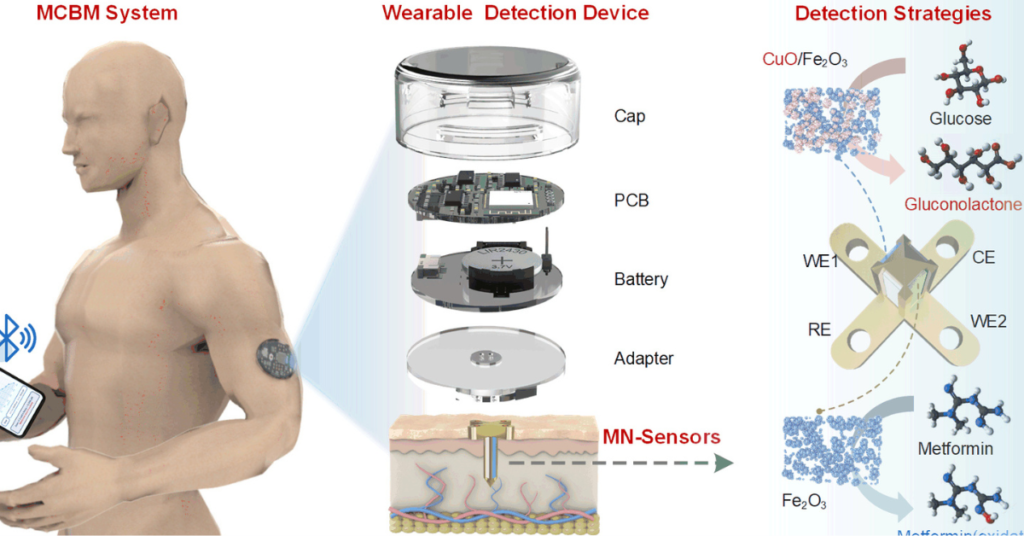
Painless Breakthrough in Diabetes Care: Smarter Monitoring and Drug Delivery
Technion researchers unveil a painless, needle-free system for glucose monitoring and smart insulin delivery—bringing comfort, accuracy, and ease to diabetes care.
Updates on medical advances, environmental initiatives, and emerging technologies.
Technion researchers unveil a painless, needle-free system for glucose monitoring and smart insulin delivery—bringing comfort, accuracy, and ease to diabetes care.
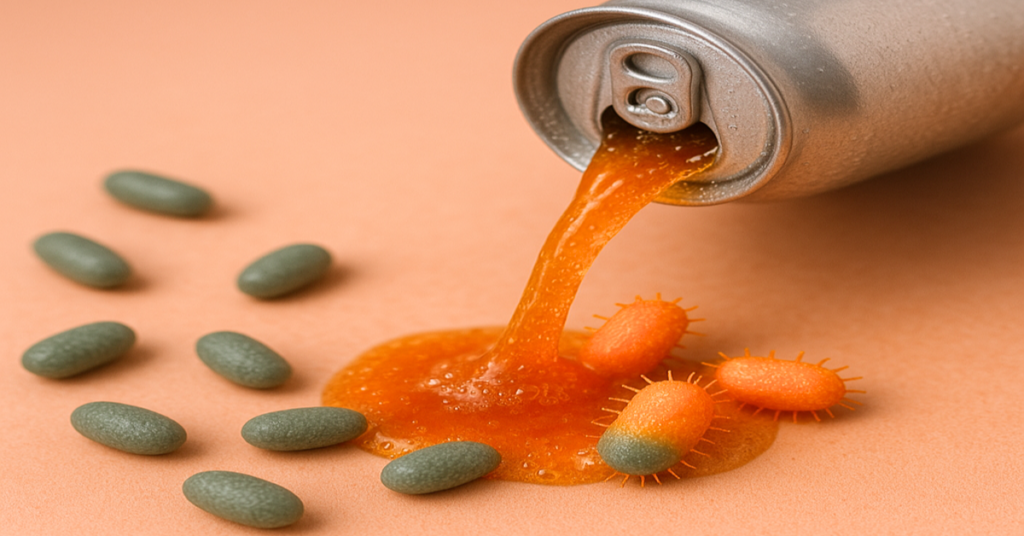
Technion scientists reveal that soft drinks can disrupt gut microbiome signaling, potentially undermining immune system communication and overall health.
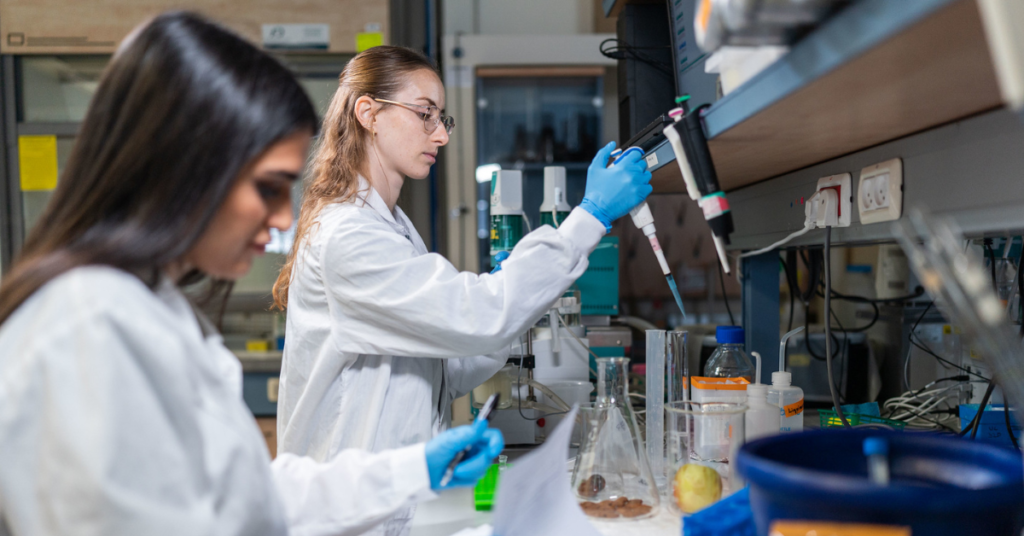
A Technion-led study shows significant gender differences in the digestion of dairy and plant-based milks, underscoring the need for personalised food engineering.
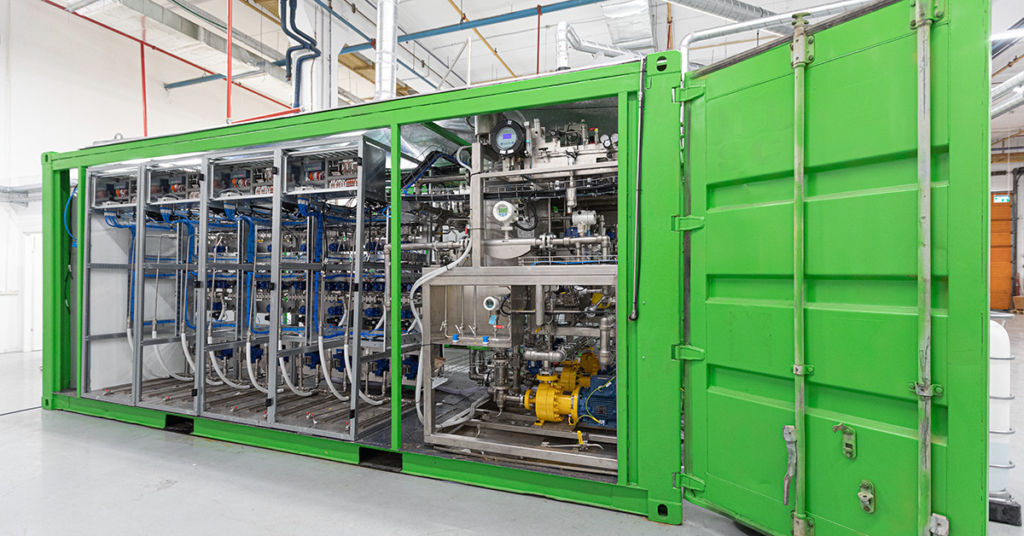
Technion scientists introduce a breakthrough in decoupled water electrolysis, paving the way for efficient, industrial-scale green hydrogen production.
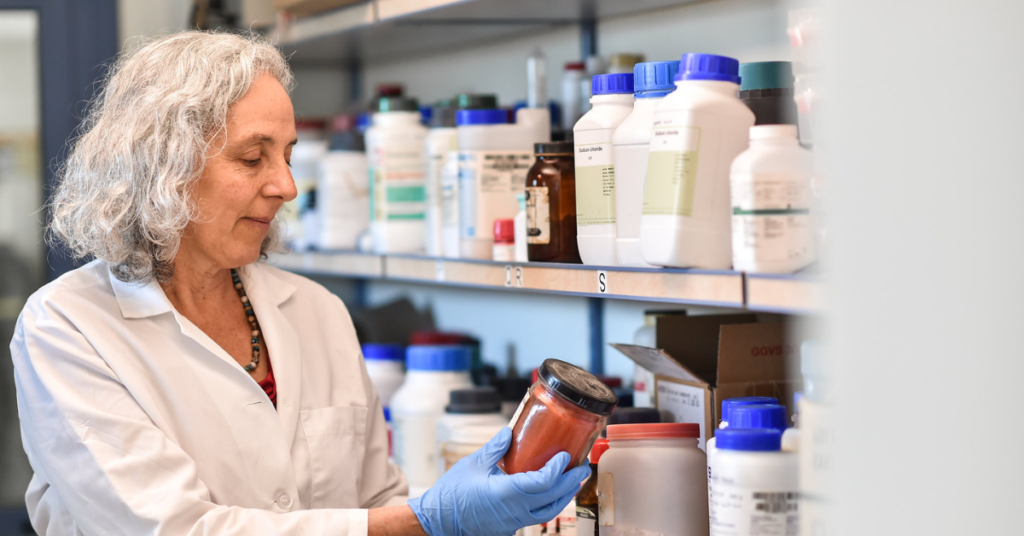
On Earth Day 2025, eight Technion research centers received PBC grants to advance work in green hydrogen, sustainable food, water quality, and carbon reduction.
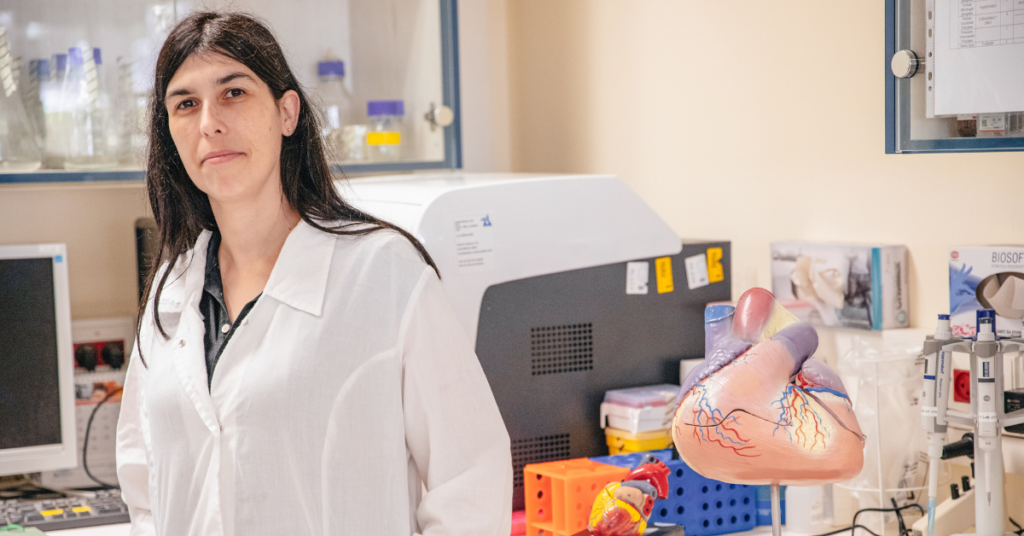
Technion scientists developed an AI model that translates complex ECG data into clear insights, enhancing diagnostic accuracy and supporting cardiologists.
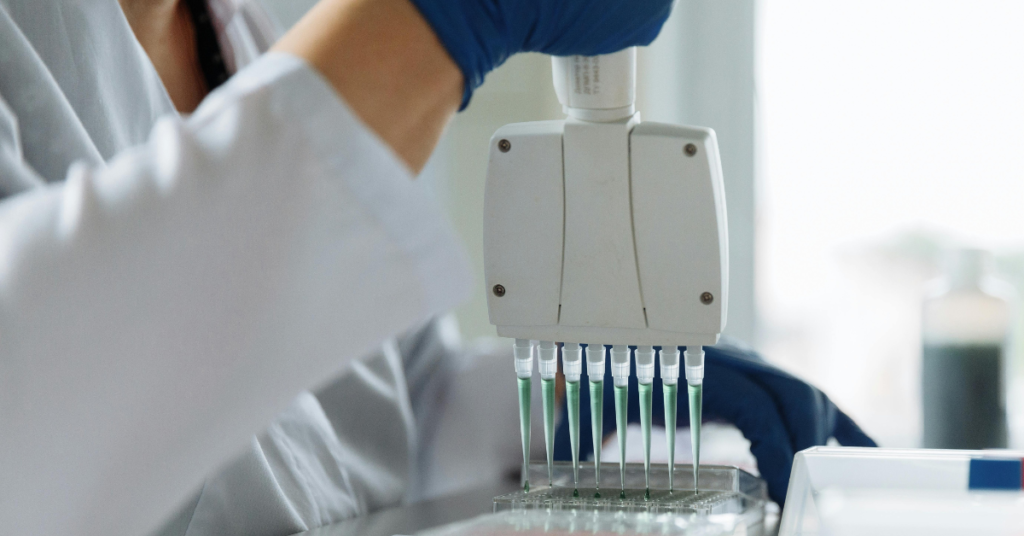
Technion researchers developed DNAformer, an AI-driven method that speeds up DNA data retrieval by 3,200 times, making DNA a viable medium for data storage.
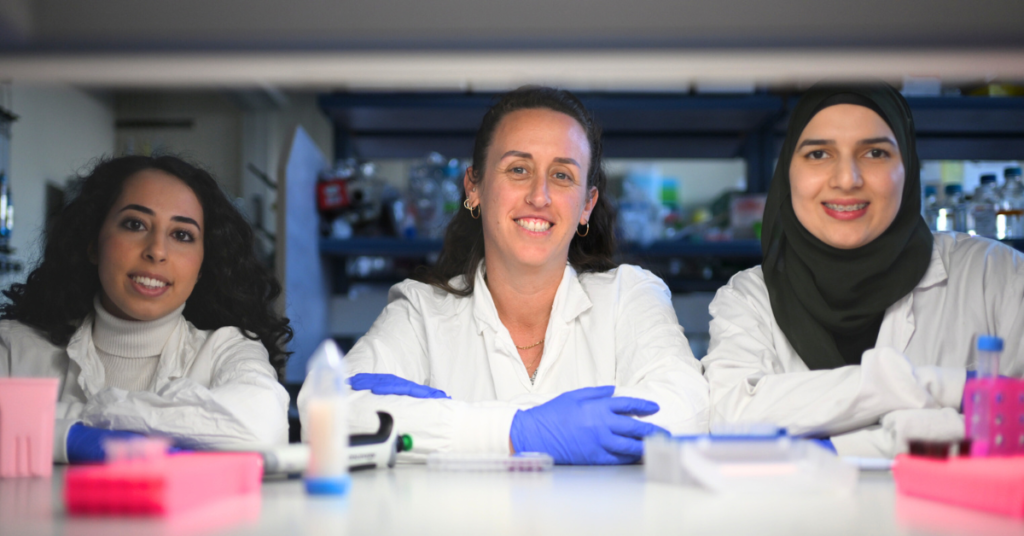
Technion scientists have discovered how proteins in breast milk enable nanoparticles to cross the intestinal barrier, paving the way for oral drug delivery.

A Technion study shows that while AI processes long texts in full, the human brain creates dynamic summaries for better comprehension, revealed through fMRI scans.

The Technion has launched the Israeli SAF Knowledge Center with support from Boeing, advancing sustainable fuel solutions for the aviation industry.

The Technion has opened a new center for sustainable aviation fuel, supported by Boeing and Israel’s Ministry of Innovation.
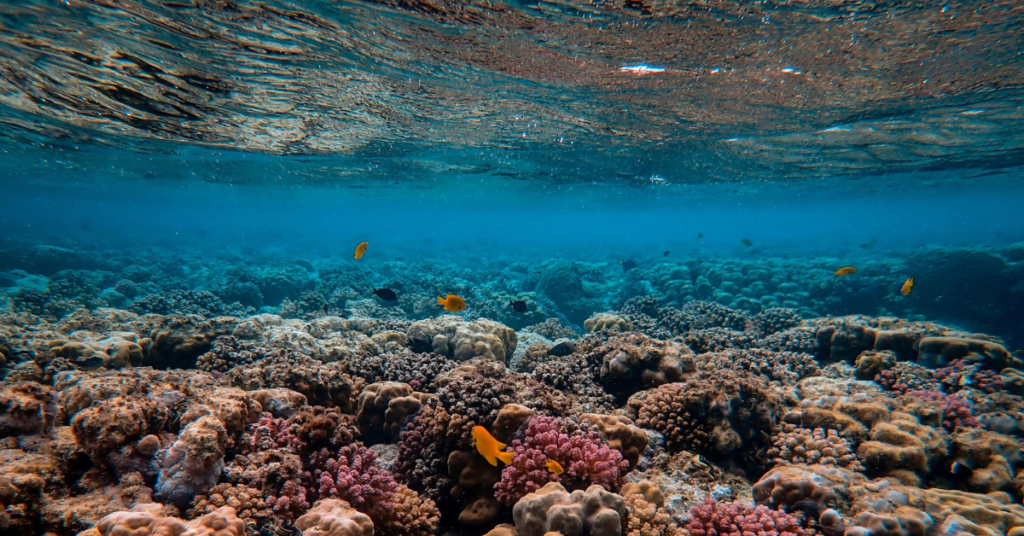
Technion researchers, in collaboration with Australian scientists, have developed a novel method to restore dying coral reefs, offering new hope for marine biodiversity.