
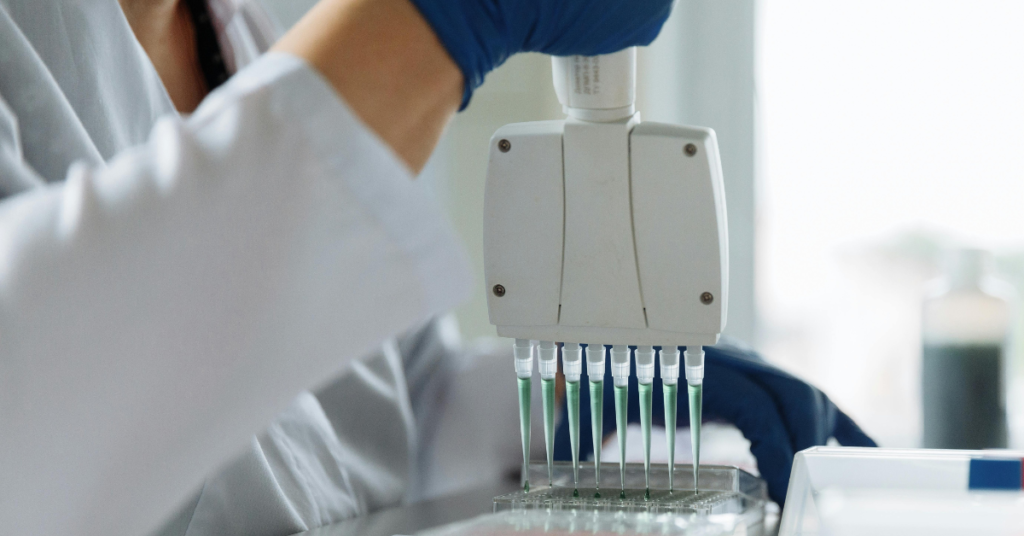
DNAformer: Where Nature Meets AI
Technion researchers developed DNAformer, an AI-driven method that speeds up DNA data retrieval by 3,200 times, making DNA a viable medium for data storage.

Technion researchers developed DNAformer, an AI-driven method that speeds up DNA data retrieval by 3,200 times, making DNA a viable medium for data storage.
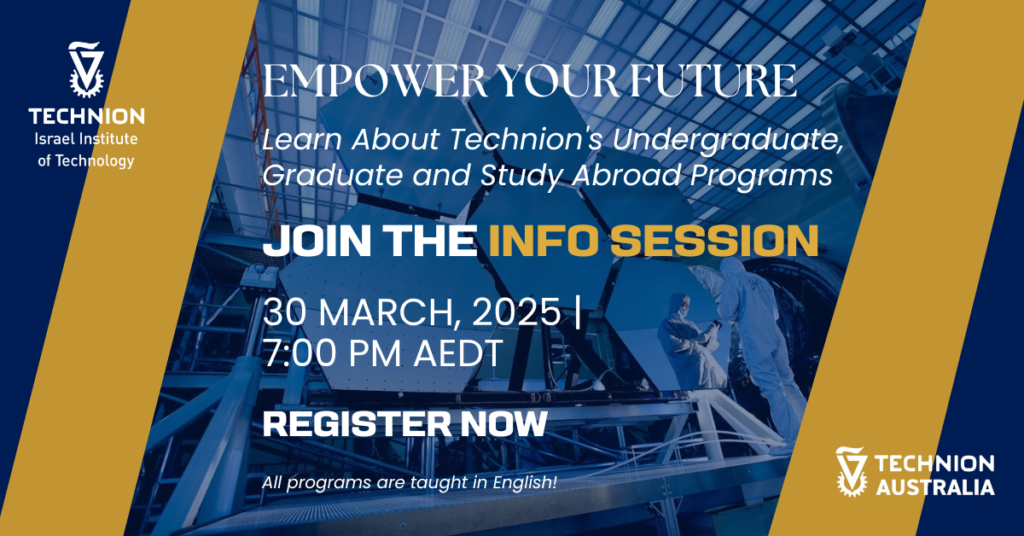
Join us for an info session on Technion’s International Undergraduate, Graduate, and Study Abroad programs. Learn about studying in Israel, conducting cutting-edge research, and experiencing life at the heart of the Start-Up Nation.
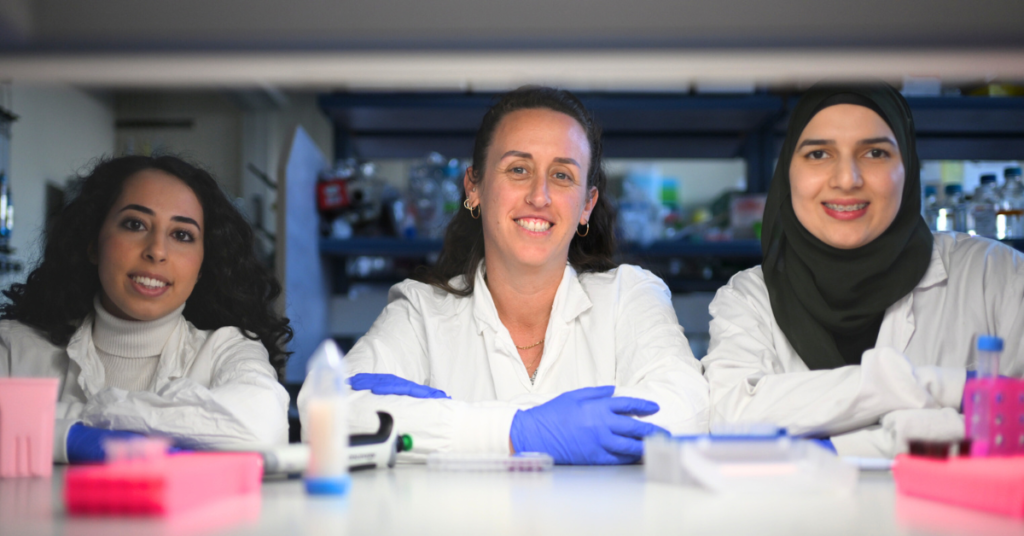
Technion scientists have discovered how proteins in breast milk enable nanoparticles to cross the intestinal barrier, paving the way for oral drug delivery.
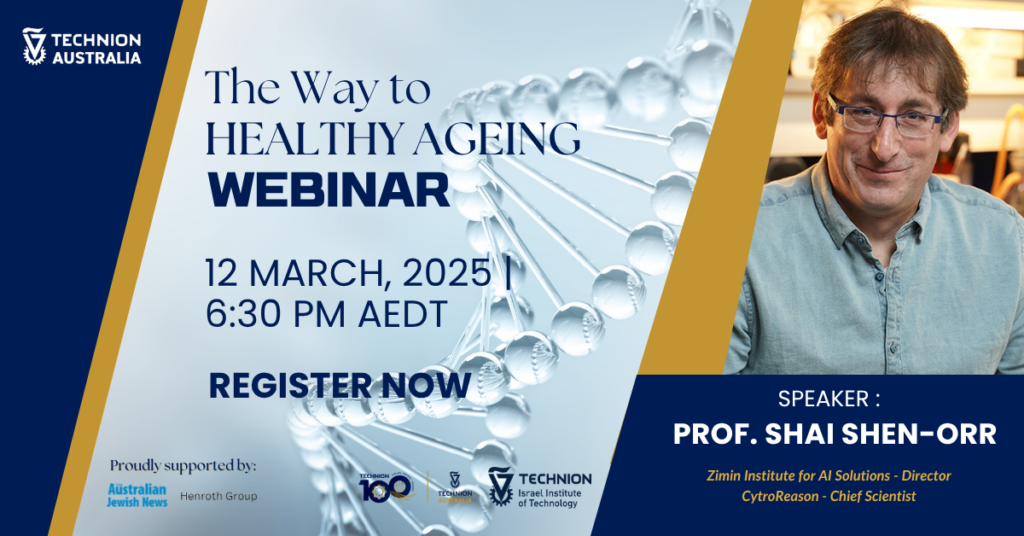
Join Prof. Shai Shen-Orr on 12 March 2025 to explore how systems immunology is advancing healthy ageing and personalised medicine. Hosted by Technion Australia.

A Technion study shows that while AI processes long texts in full, the human brain creates dynamic summaries for better comprehension, revealed through fMRI scans.

The Dorevitch estate’s generous gift to Technion Australia’s emergency fund supports scientific excellence and institutional resilience.
The Fridman estate has endowed Technion Australia with a generous gift to support emerging researchers and future innovation at the Technion.

More boosters or combining different vaccine types may work better in elderly, based on Technion insights into the aging immune system. Dr. Reem Dowery, left, and Prof. Doron Melamed. The elderly population appears to be more vulnerable to Covid-19, and vaccines are less effective in
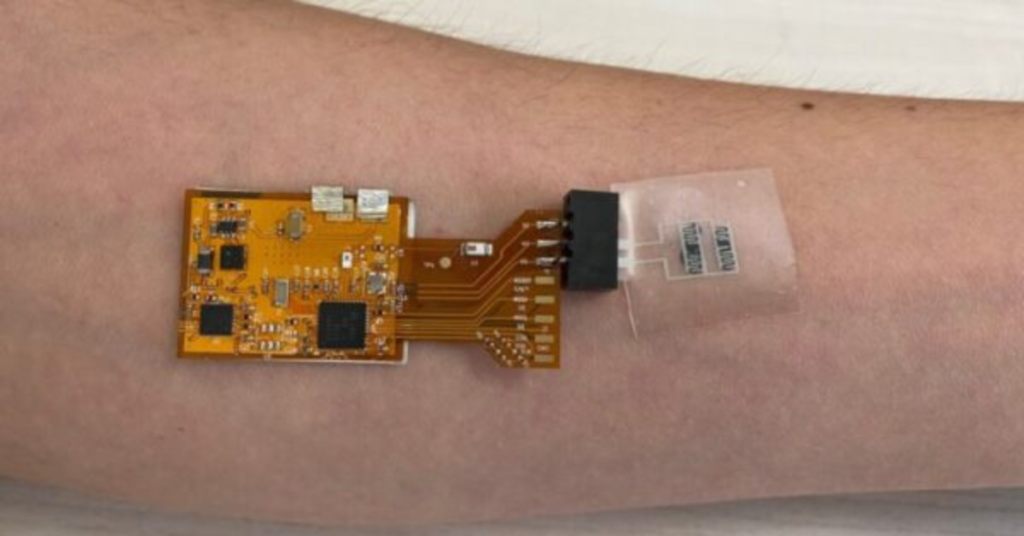
Technion scientists invent A-Patch to provide a cheap, quick, noninvasive method for diagnosing a disease affecting millions in the developing world. A-Patch skin adhesive system for sensing tuberculosis. Photo courtesy of Technion Spokesperson’s Office Researchers at Israel’s Technion have developed a revolutionary method of diagnosing
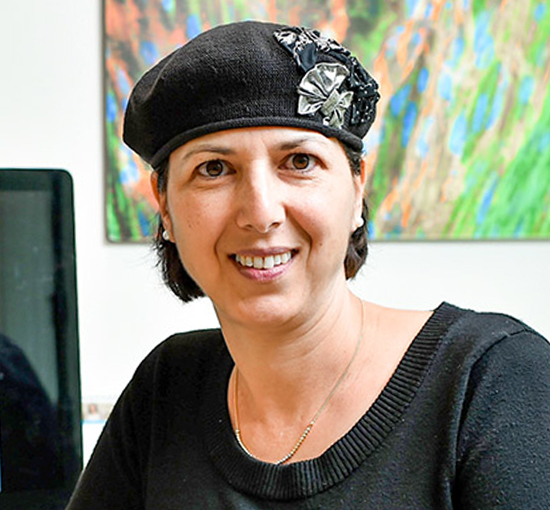
Technion University researchers are tackling one of the most pressing medical issues: loss of tissue. Prof. Shulamit Levenberg and her team in the Biomedical Engineering Department have pioneered research that could make it easier for humans to cultivate tissue, Technion UK stated in a press release on
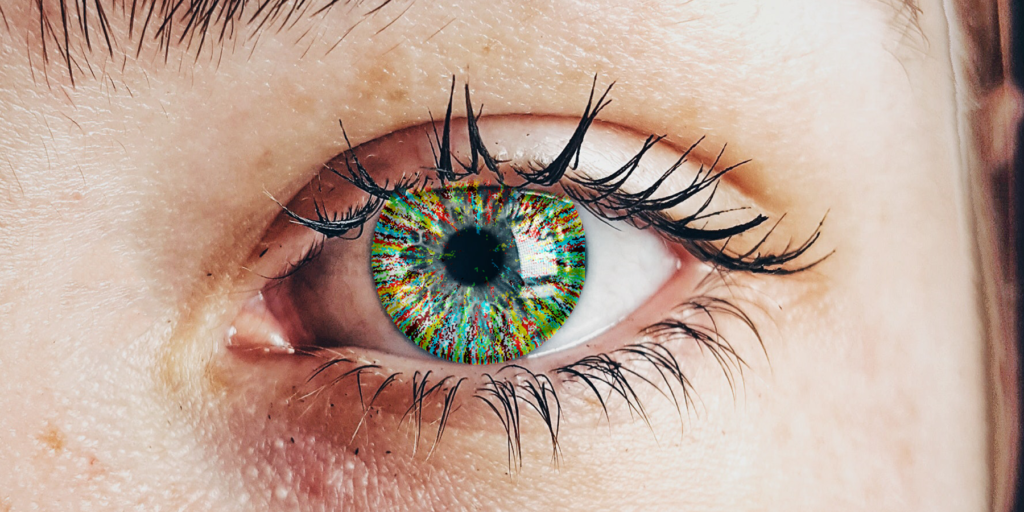
Collaboration between two laboratories at the Technion has yielded a pair of groundbreaking articles that shed light on mechanisms of corneal renewal and morbidity. Can stem cells be identified and monitored in mature tissue? How do our organs cope with both the need for frequent
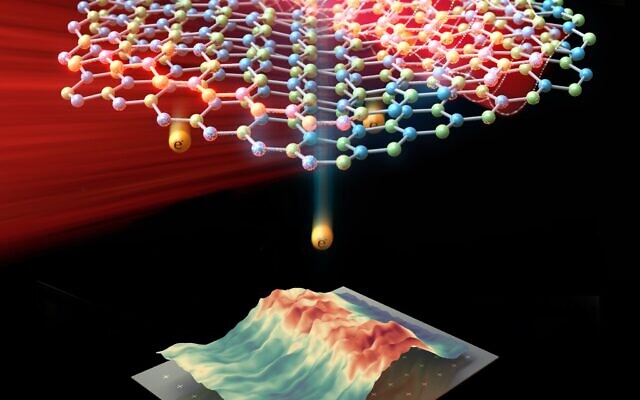
Trapping and observing light in super-thin materials, Technion researchers say their work may pave way for new generation of tiny light-powered tech Light in single layer materials, as captured by researchers from the Technion-Israel Institute of Technology (Prof. Ido Kaminer and his research team) Israeli